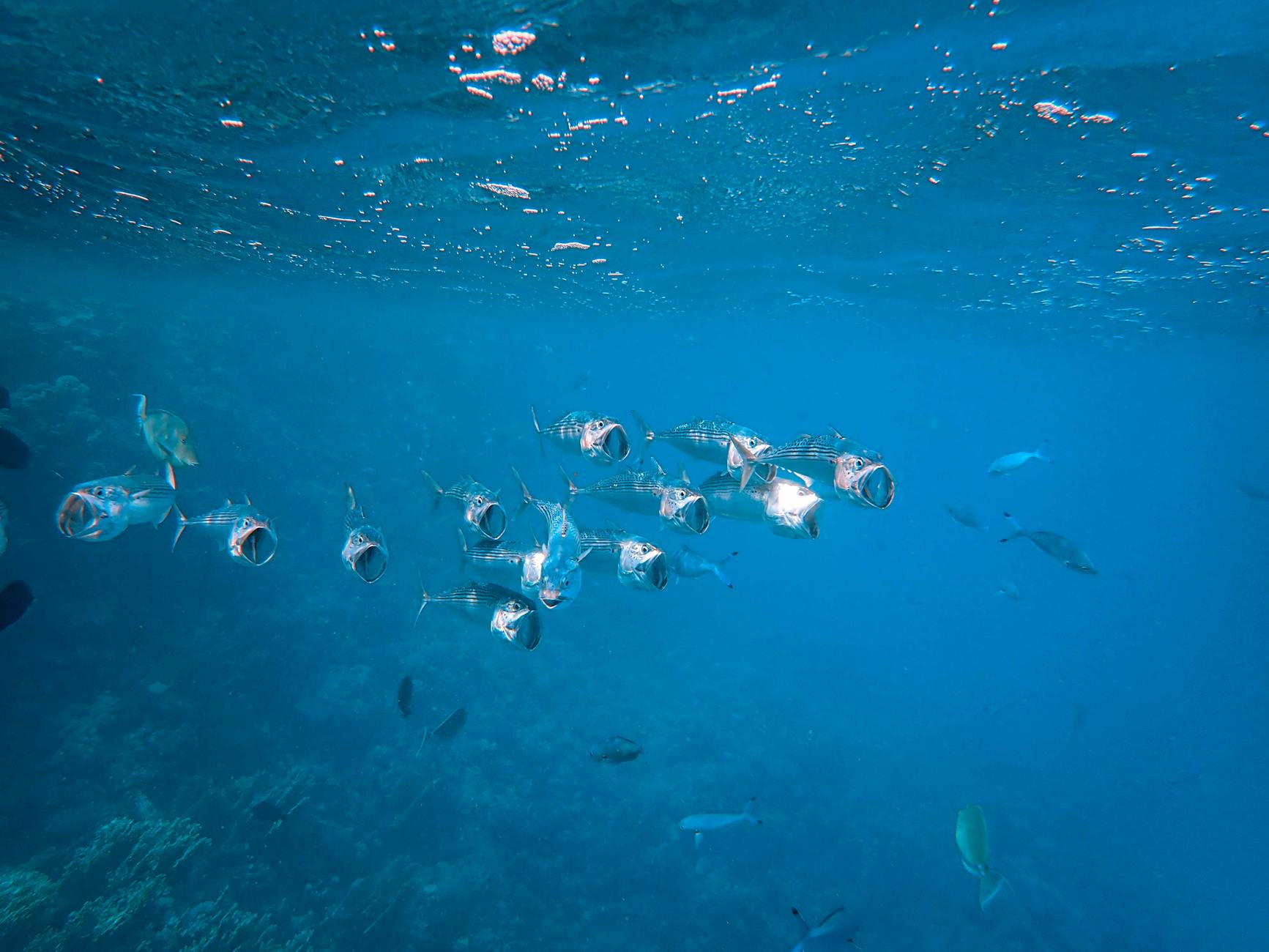
Microsoft Takes the Bite Out of Illegal Fishing
The biggest danger in our oceans isn’t lurking deep below. It’s us. Illegal fishing is depleting global fish stocks and devastating our marine ecosystems. Learn how Microsoft and OceanMind are using AI and technology to bring illegal fishing to the surface and stop the practice for good.
Overview
Big Fish, Bigger Problems
Billions of lives depend on our oceans and their fish. Every day, an estimated 12% of the world’s population sets sail to provide food for 3 billion people and contribute to an estimated $365 billion global seafood market.
Fishing is a livelihood. It is life. But there is a catch.
Challenge
From One in Five to None in Five
Worldwide, an estimated 20% of all fish are caught illegally. In some countries, that estimate can reach 50%. Illegal, unreported, and unregulated (IUU) fishing, alongside overfishing, devastates global fish stocks and destroys ocean ecosystems. OceanMind, a UK-based nonprofit, is on a mission to stop seafood imports from IUU fishing within five years by blocking illegally caught fish from entering the world’s ports & markets.
How?
The answer, ironically, lies not in the sea but in the cloud.
Solution
Global Scale Technology
“It is better to be lucky. But I would rather be exact.”
― Ernest Hemingway, The Old Man and the Sea
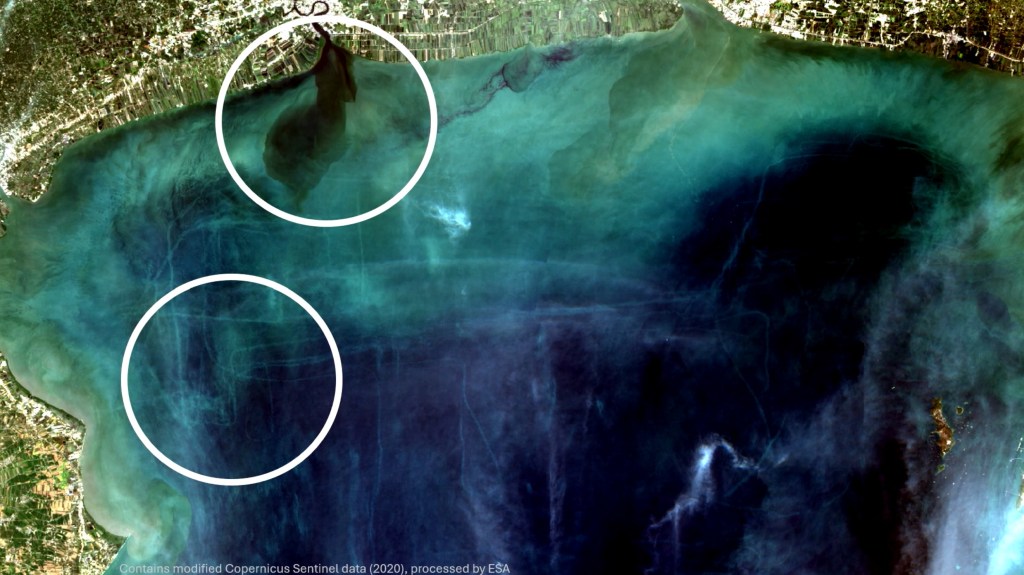
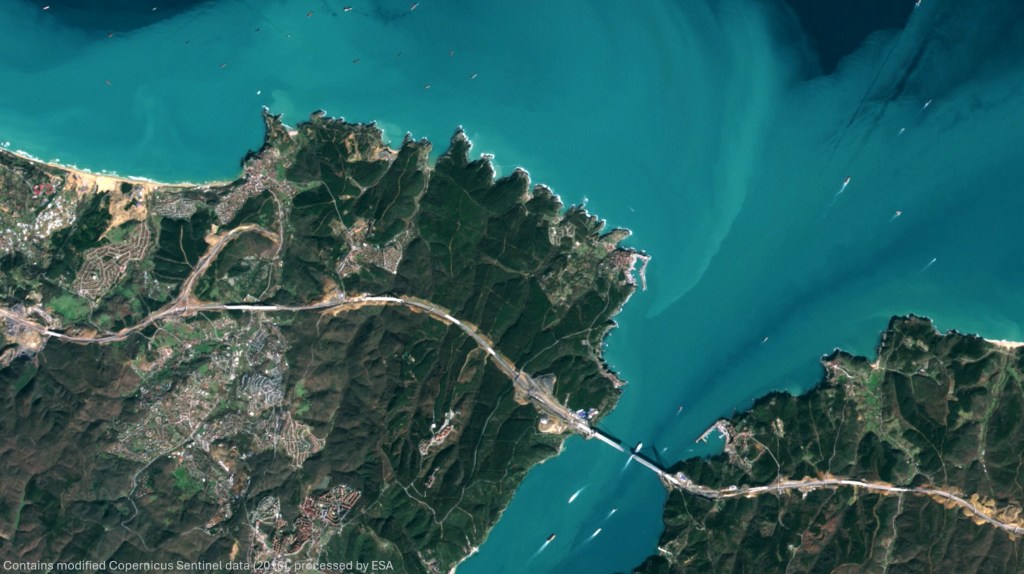
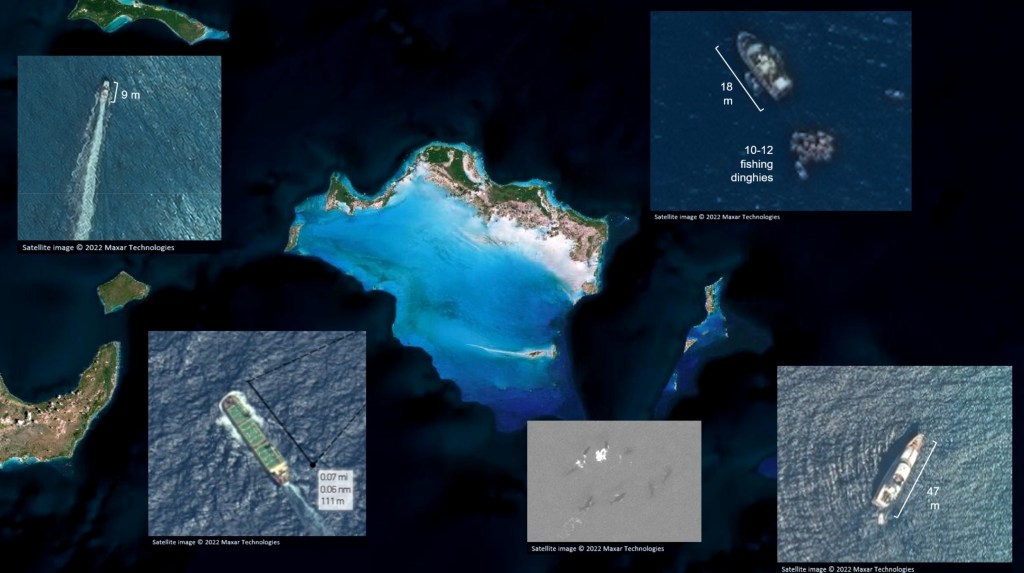
To get the clearest view of our oceans’ surfaces, OceanMind uses satellite imagery, AI, and expert analysis to monitor and collect data from tens of thousands of vessels with minimal latency. This allows for never-before-seen transparency.
How is all this data processed so quickly? In July 2020, through a Microsoft AI for Earth grant, OceanMind migrated from an on-premises solution to Microsoft Azure, which tripled daily data volumes and enabled even greater tracking precision.
“The collaboration with Microsoft is going to bring all of that data through our system much more quickly and apply the AI in near real time.”― Nick Wise, OceanMind CEO
With AI, Azure, and the eyes of thousands of satellites and drones, OceanMind records and analyzes more than 30 million data points every day to flag illegal fishing wherever and whenever it occurs. The technology is powerful enough to identify 20 types of fishing and detect other key vessel behaviors, making it easier to single out suspicious operations. These “risk-based, intelligence-led insights” are then verified by OceanMind experts and, if deemed illegal, handed to the proper authorities.
Results
Proven Success in Thailand
From 2015-2020, OceanMind provided monitoring and surveillance to the Royal Thai Department of Fisheries and Thai government. Using this critical data, the country completely reformed its fisheries regulations, developed a new fisheries management center, and greatly increased control over fishing fleets with Thai designations.
With guidance from the Port State Measures Agreement (PSMA), also designed to block illegal catches from entering ports, OceanMind introduced:
- An AI-powered risk assessment tool to help port officials verify the behavior of any vessel requesting port access to import seafood, and
- A capacity-building program to train officials in pre-entry risk assessment, inspection planning, and import authorization decision-making.1
As a result of OceanMind’s efforts and the capabilities of Azure’s innovative platform, the Royal Thai Government transitioned from “non-cooperating” to “concrete progress” (as determined by IUU Regulation) in just 3 years and reduced overall demersal fishing2by 30%.
Evolution
Extraction to Regeneration
Following its success in Thailand, OceanMind has begun expanding its focus to curb illegal fishing in the Philippines and Cambodia. The forward-thinking company is even using AI models to detect human trafficking and modern slavery on fishing vessels.
Beyond vessel tracking, today’s satellite technology can also spotlight ecological challenges, enabling better-informed conservation decisions. OceanMind has also pledged to tackle fish aggregating devices (FADs), which are human-made objects that can trap or threaten marine life and natural habitats.
Conclusion
Go Fish, Legally
Illegal fishing won’t be stopped in a day. But with better insights and visibility via powerful platforms like Azure, we can create solutions today that will bring us a more sustainable tomorrow. OceanMind CEO Nick Wise knows this, and he has a warning for those who attempt to dodge the cloud:
“… illegal fishers be warned … we are paying attention every single day.”
 Cam Poague